Each of these is a real operating question we had to answer with our own money. They are published in full here and shared to LinkedIn and Medium.
Case studyWhat our two 2026 pilots measured
Two pilots, designed to answer the two questions that decide whether a clean cooking business works: will households pay, and will they keep paying. Price governs volume. We raised it and acquisition fell sharply. Cylinder size governs refill. Both findings are now built into the range.
LinkedInMedium
Field noteWhat our first two pilots taught us about price
We raised the price 66% and acquisition fell sevenfold. The uncomfortable finding, and what we changed because of it.
LinkedInMedium
Field noteThe 6 kg cylinder is the whole argument
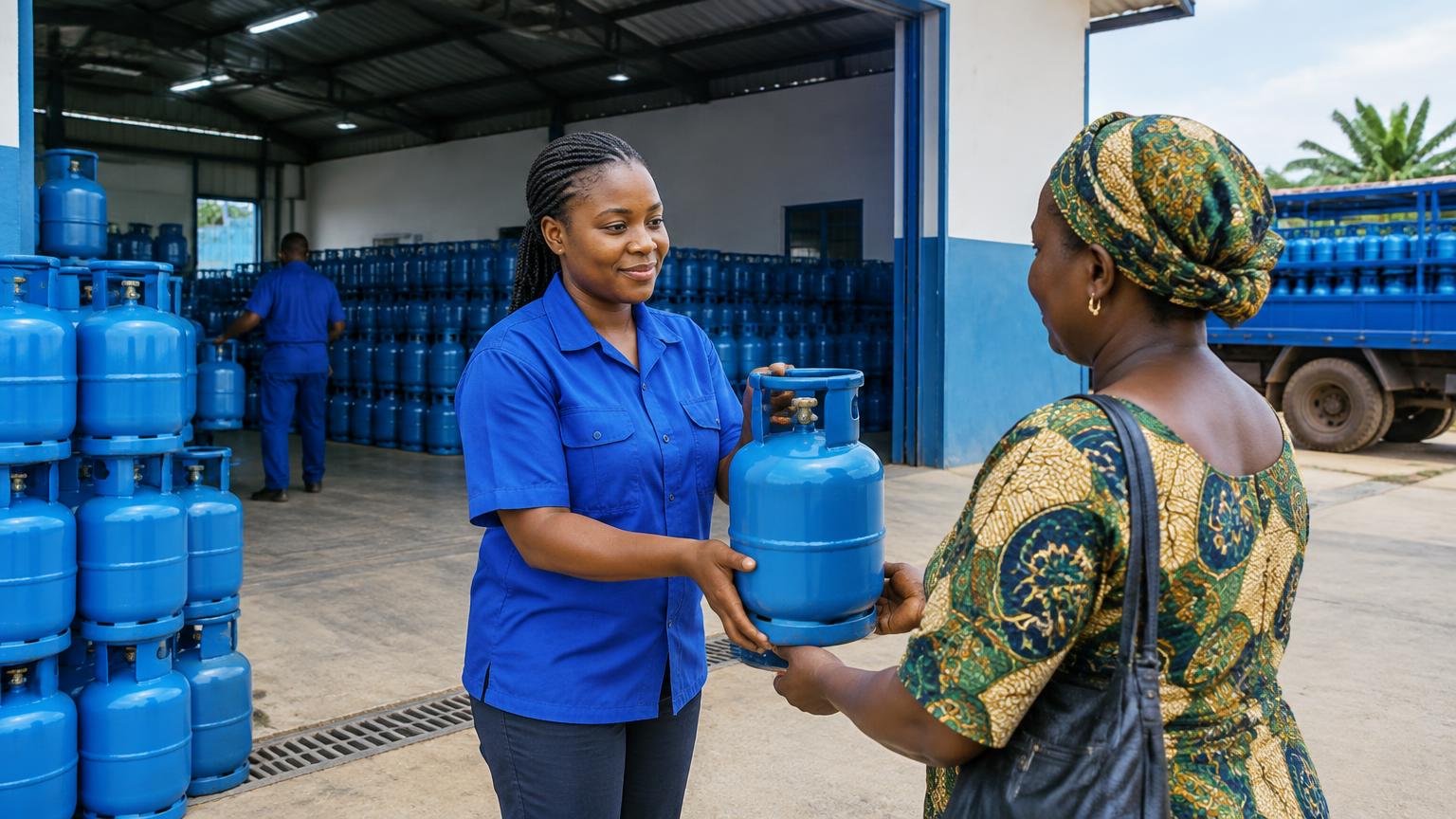
A ₦15,000 (US$11) refill is a decision. A ₦7,200 (US$5) refill is a habit. Why cylinder size, not cooker design, determines whether a household stays on gas.
LinkedInMedium
Field noteCharcoal parity: pay what you already pay
Households in our base spend ₦10,400 to ₦15,167 (US$7 to US$11) a month on charcoal. The offer is to spend the same and get the cooker, the cylinder and the gas.
LinkedInMedium
Build logDesigning a depot before the ground has been tested
How we sequenced the Kaduna facility design so the environmental assessment and the geotechnical survey could start in parallel rather than in series.
Medium